

The Benue State Planning Commission, now known as the Benue State Budget and Economic Planning Commission, was established in 2001. Since its inception, the Commission has had six (6) past Director-General/Chief Executive Officers and sixteen (16) past Permanent Secretaries.

coordination of fiscal policy, development planning, and public investment to build a transparent and prosperous Benue State.
Our government is steadfast in its commitment to transparency, accountability, and inclusive economic development. The Budget and Economic Planning Commission plays a vital role in shaping policies that drive sustainable growth and prudent resource management. Through this platform, we share our plans, progress, and partnerships aimed at building a more prosperous and equitable Benue State.
The Benue State Planning Commission, now known as the Benue State Budget and Economic Planning Commission, was established in 2001. Since its inception, the Commission has had six (6) past Director-General/Chief Executive Officers and sixteen (16) past Permanent Secretaries.
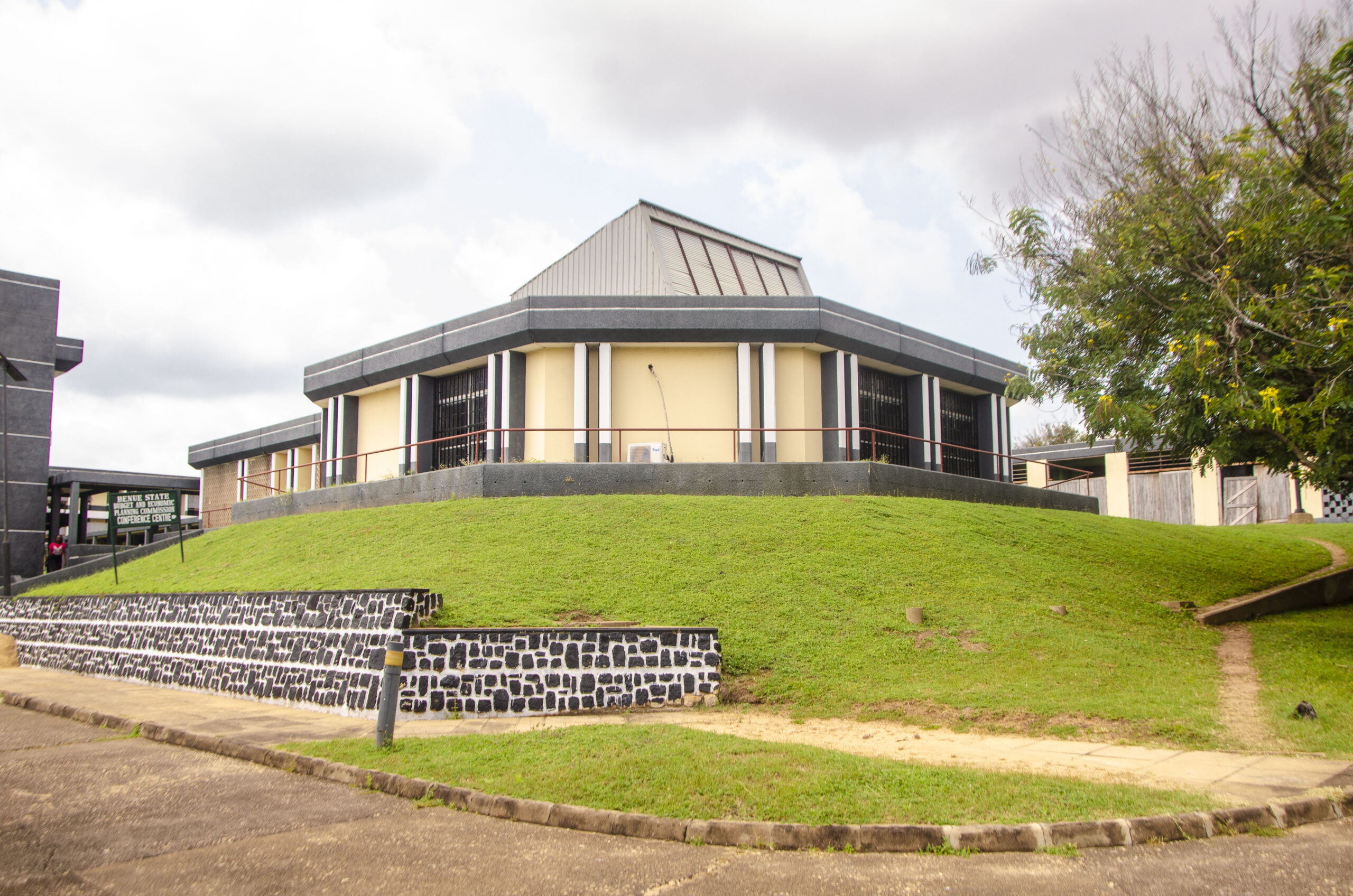
The Commission serves as the central coordinating body for development planning and policy alignment within the State. Its core responsibilities include
It is with great pleasure that I welcome you to the official website of the Benue State Budget and Economic Planning Commission (BSBEPC), the strategic center for fiscal management, development planning, and economic transformation in Benue State. The Commission serves as the coordinating body responsible for the planning, formulation, implementation, and monitoring of the State’s fiscal and development policies. We ensure that the State Government’s plans and budgets align with the vision of sustainable growth, transparency, and inclusive development for all citizens of Benue State.
At the Commission, we are entrusted with crafting development plans that reflect both national aspirations and the unique needs of our State. We work collaboratively with Ministries, Departments, and Agencies (MDAs), Local Governments, development partners, and the private sector to design, coordinate, and implement strategic programs that drive inclusive growth and development across all communities.
As we continue to advance the Benue Development Agenda, our focus remains firmly on evidence-based planning, inclusive growth, and strong partnerships with all stakeholders (institutions, development partners, the private sector, and the citizenry) to improve the lives and livelihoods of the people of Benue State. We are equally committed to ensuring that development planning is data-driven, people-centered, and future-focused.
As we strengthen partnerships and expand cooperation with both local and international development actors, we remain steadfast in our pursuit of transparency, accountability, and excellence in service delivery.
This platform serves as a window into our policies, programs, and achievements. It provides timely information and resources for citizens, investors, and partners who share our vision for a better, stronger, and more prosperous Benue State.
We invite you to explore, engage, and collaborate with us as we chart a transformative path toward sustainable development for our State.
Thank you for visiting, and for being part of the journey toward a brighter future for Benue State.
To be a leading, innovative, and globally recognized development planning institution that drives inclusive, sustainable, and well-coordinated socio-economic development across the State.
To provide strategic leadership in the formulation, coordination, and implementation of State development plans by mobilizing resources, strengthening institutional collaboration, and promoting the efficient utilization of human and material capacities for sustainable socio-economic growth.
The Commission’s operational mandate is to serve as the State’s primary authority for development planning and coordination. It is responsible for setting development priorities, preparing and managing development plans, mobilizing internal and external resources, guiding budget formulation, monitoring project implementation, and fostering both national and international development partnerships.